





Why Playalberta Login Feels Different On A Phone
Mobile access changes the whole mood of a casino session. On a laptop, small design flaws can hide in extra space. On a phone, every weak spot becomes obvious at once - a button sits too low, the password field is awkward, the account menu hides behind two taps too many, or the balance appears in a place the eye does not find naturally. That is why account entry on mobile deserves more attention than many players give it.
A normal weekday is enough to test this. Someone opens the platform while waiting for a ride, the screen brightness shifts, another app sends a message, and attention splits in three directions. In that moment, the right entry path should feel almost dull. Clear. Direct. Not exciting, just reliable. That is what good mobile design looks like.
A common mistake starts here. Players rush into the session because the phone makes everything feel fast, and they treat account entry like a tiny formality. It is not. The first screen tells you whether the platform respects your time or quietly wastes it.
Finding The Right Entry Before You Rush
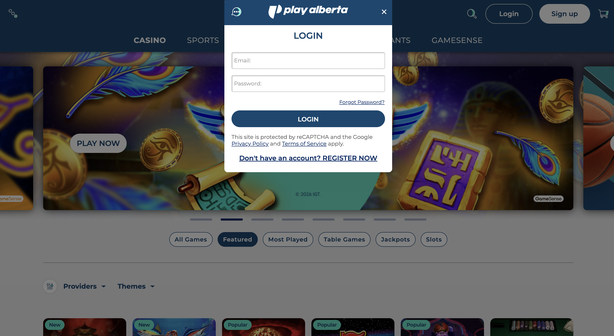
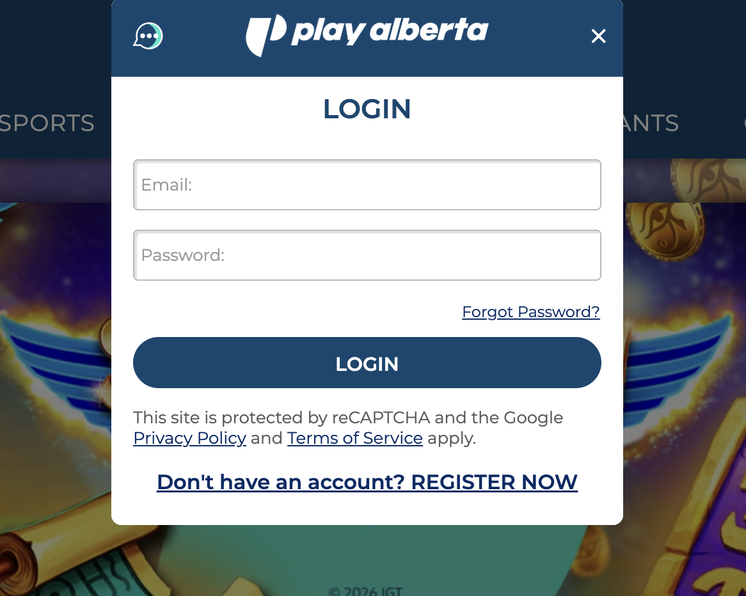
One small pause helps more than people think. Before typing anything, the player should make sure the correct account page is visible, the browser tab or app screen looks familiar, and the route into the profile is exactly where it should be. During a quick evening check-in, that extra second prevents the kind of sloppy misclick that later turns into needless irritation. Calm entry is not slower in the long run. It is cleaner.
Staying Signed In Without Becoming Careless
Convenience is useful right up to the point where it becomes laziness. A phone makes repeated sign-ins feel annoying, so players often save everything, skip small checks, and begin trusting the device more than the situation deserves. That can work fine for weeks. Then one rushed moment creates a problem.
Take a late-night session on the sofa. The player is tired, the room is dim, and the goal is simply to get inside quickly. This is where secure habits matter: one main device, one reliable email, a strong password that does not feel impossible on a small keyboard, and biometric entry where the platform supports it. These are ordinary steps, yet they shape the whole account experience.
The best mobile routine is usually boring. Open the platform. Confirm the account page. Use the same device. Enter cleanly. Start the session without chaos. When this rhythm becomes normal, the rest of the platform becomes much easier to judge.
Registration, Verification, And First Deposit
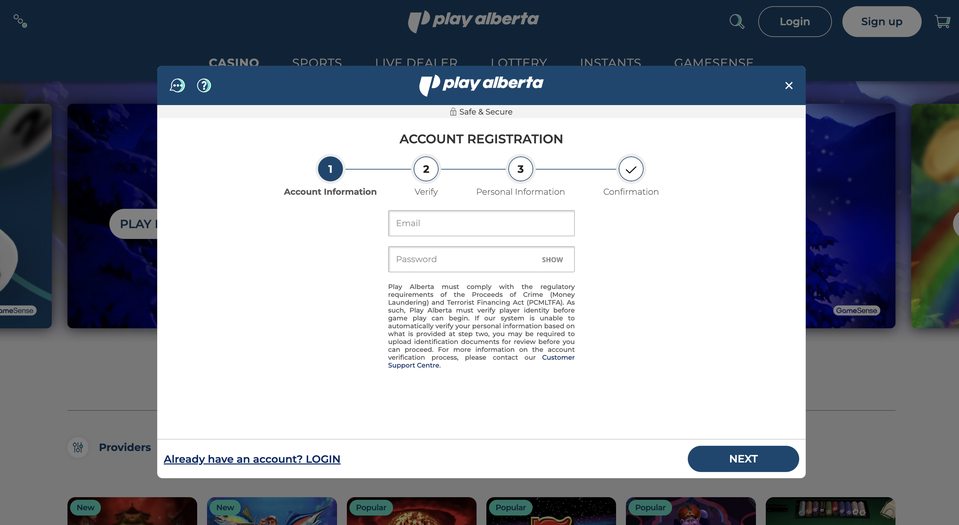
Registration is the part players most want to finish quickly. That is also why it creates so many avoidable problems. One mistyped email, one skipped confirmation, one rushed password choice, one half-read form - none of this sounds dramatic, yet it can affect every later stage, from support contact to money movement.
A steadier approach works better. Sit down. Use a stable connection. Finish the form in one pass instead of jumping between apps. Check the details once before closing the screen. The platform is for adults aged 18 and over in Canada, used under applicable rules and account conditions, so the setup deserves a little more care than a casual social app.
Verification belongs in the same mindset. Players tend to see it as an interruption because it often appears right when the session starts to feel real. Still, from a practical point of view, it is part of building a workable account. Sorting identity details early often makes later payment actions feel less tense and less surprising.
The first deposit should also stay small and deliberate. Not because the player lacks confidence. Because the first payment teaches more than any banner or welcome screen ever could. It shows how the cashier behaves on that device, how the confirmation screen reads, where history appears, and whether the balance updates in a way that feels sensible.
Cashier Checks Before Money Moves
The cashier is where the platform stops being abstract. This is the part that reveals whether the account is organized clearly or only looks organized from a distance. Route selection, amount entry, recent history, visible balance labels, and the path back to the lobby all matter here.
A familiar situation makes the point. The player opens the cashier while slightly distracted, sees a route that looks recognizable, types an amount, and nearly confirms before really reading the screen. That is how little mistakes begin. Ten slower seconds usually solve what ten anxious minutes later cannot.
Here is a simple reference table that shows what mobile users often check before trusting the money side of the account:
Account Task | What The Player Checks First | Why It Matters |
|---|---|---|
Sign-In | Email field, password entry, saved credentials | Helps avoid repeat errors and rushed retries |
Profile Access | Balance area, recent activity, account menu | Makes the session feel clear from the start |
First Deposit | Payment route, amount, visible confirmation | Reduces avoidable cashier mistakes |
Session Planning | Search, favorites, time boundary | Helps keep mobile play structured |
Payout Request | History, request status, payment details | Makes the waiting stage easier to read |
Support Contact | Screenshot, time of issue, account section used | Gives support useful context faster |
Break Tools | Deposit cap, timeout, longer pause settings | Helps keep play controlled and safer |
A good cashier does not try to impress. It explains itself. That is enough.
How Playalberta Logo Prevents Wrong Turns
Brand cues matter more on mobile than many players admit. On a desktop, there is room to slow down and double-check where you are. On a phone, sessions start in fragments - one minute in the kitchen, another in the car park, another on the couch. In those fragments, the visual anchor of the platform helps the player confirm they are in the right place before entering details or moving toward payments.
That sounds small. It is still useful. Phones collect clutter fast: recent tabs, push notifications, half-open browser sessions, and other gaming pages still sitting in memory. A familiar brand cue reduces hesitation in a good way. It reminds the player to look once before acting.
Visual Cues On Crowded Screens
A common evening scene looks like this: several apps are open, two browser tabs still carry gaming content, and the player wants to enter quickly before the next distraction lands. The visual identity becomes a quick checkpoint. That brief recognition lowers the chance of typing into the wrong screen or bouncing through the wrong menu. On a crowded phone, certainty matters.
When The Wrong Page Slows Everything Down
Sometimes nothing truly breaks. The player just lands on the wrong section first, taps around, loses patience, and starts the session already annoyed. During a short lunch break, that wasted minute feels larger than it is. This is why familiar page structure and clear visual markers are not decoration. They save time right when the player has the least of it.
Choosing Games And Shaping A Short Session
Once account entry and setup are out of the way, the real challenge becomes session shape. Mobile gambling gets messy not because the platform necessarily fails, but because the phone invites drifting. A player opens the app for ten minutes, then ends up browsing categories, rechecking balances, looking at promotions, returning to the lobby, and somehow spending far longer than planned.
Short sessions work better when they start with a purpose. Search for one title. Open a saved favorite. Choose the type of play before the lobby starts pulling attention sideways. That one decision changes the whole tone of mobile use.
A routine helps here. Open the platform. Check the balance. Decide the lane for the session. Enter one game. Leave on time. This may sound less glamorous than a giant endless lobby, yet it is exactly what keeps mobile use practical rather than loose.
There is also the question of mood. Players often reach for the phone in spare moments - while waiting, while half-bored, while doing nothing special. Those are not always bad moments to play, but they are risky moments for unfocused browsing. The phone makes everything feel lighter than it really is. That is why short-session discipline matters so much.
A simple real-life example shows the problem clearly. Someone plans to play briefly before dinner. Instead of using search or favorites, they scroll through categories, open a few random game tiles, leave them, reopen the lobby, then wonder why the platform feels busy. It is not only the platform. It is the lack of shape. On mobile, structure is not restrictive. It is freeing.
Limits, Breaks, And A Safer Mobile Routine
Convenience is the strongest thing about mobile gambling and the most dangerous thing about it. The platform is always close. The phone is already in hand. A session can begin in seconds. That ease feels pleasant, right up to the moment when small impulses start turning into repeated habits.
This is why deposit limits, time reminders, timeout tools, and longer exclusions matter so much. They are not background features for rare emergencies. They are part of ordinary adult use. The strongest mobile players are often the ones who add friction on purpose - a spending ceiling, a clear stop point, a short cooling-off period after a heavy week.
Consider a pattern many people know too well. The player does not plan a big session at all. They just reopen the platform several times in one evening because the phone is already there. That repetition is exactly where small control tools do their best work. A short break interrupts the cycle before it hardens into routine.
Longer tools matter too. Sometimes the issue is not one messy evening. It is the same late-night return three, four, five times in a row. In that case, a stronger pause can be the more honest move. Mobile platforms should make those options visible enough that players can use them before the mood gets worse.
Timeout And Self-Exclusion In Normal Life
Timeouts and self-exclusion are often discussed as though they only belong in crisis. Real life is subtler than that. A player may simply notice that sessions are becoming too automatic, too frequent, or too tied to frustration. That is enough reason to act. During a stressful week, a short timeout can do more good than a promise to “just be more careful tomorrow.”
Support, Payout Expectations, And Final Take
Support quality becomes obvious in ordinary problems. An unclear status label, a balance question, a recent deposit that needs checking, or a payout request that feels slower than expected - these are the moments that reveal whether the platform helps calmly or leaves the player alone with guesswork.
A useful support request usually starts before the message is sent. Check the history section. Read the visible label. Note the time. Save one screenshot. Then explain the issue once, cleanly. That small bit of order makes a big difference. It gives support something practical to work with and stops the player from spiralling into fragments of panic.
Payout expectations also deserve a steadier mindset. A request is not a magic door that opens all at once. There is the request stage, the review stage, and the final delivery through the chosen route. Different methods can feel different. Timing can feel different. Internal review and outside delivery are not always the same moment, and players who understand that usually stay calmer.
So what is the final mobile verdict for adults in Canada using Playalberta in 2026? It comes down to repeatable habits. Clean entry. Clear cashier. Visible history. Sensible limits. Short sessions with edges. Support that can handle ordinary questions without drama. When those pieces work together, the platform feels manageable in daily life. That is the standard that matters.